
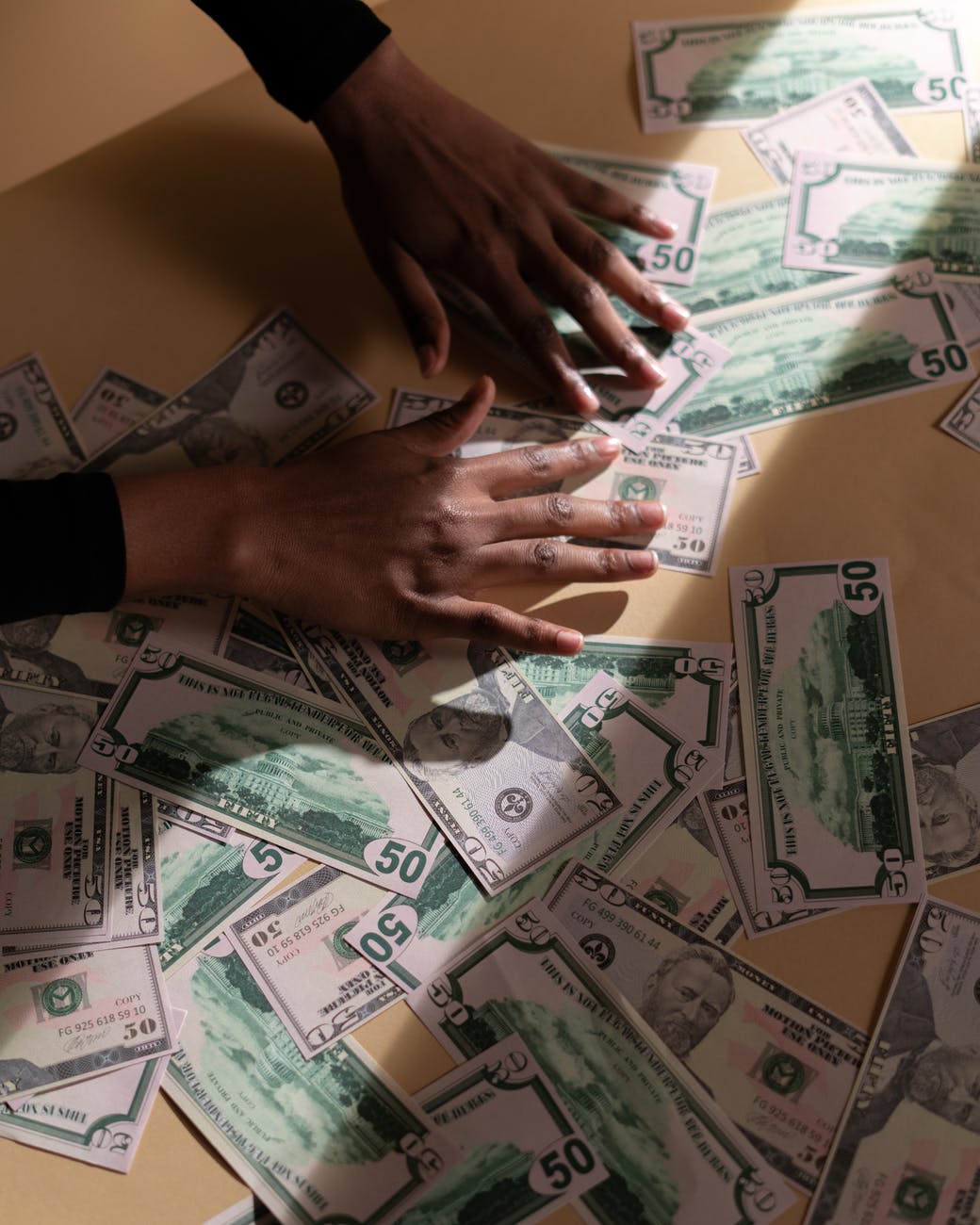
For a while now, I have been pondering the idea of greed.
We are never satisfied.
It is not a new failing. Some of our most ancient myths, epics, stories, and texts all deal with the concept. I read Herman Melville’s Moby Dick recently for the first time. Somehow it never came up in any of my literature courses. The most striking line that has stayed with me was “what he ate did not so much relieve his hunger, as keep it immortal in him.” In this case, it refers to a lower-level leader who never gets enough to eat when dining with the captain of the ship, but it feels very true to our human nature. We never feel full.
This notion has been looked at from many angles, and called by many names, including the “hedonic treadmill.” The idea that once we achieve something we have wanted, it becomes normal to us. We stop valuing things once we have them, take them for granted, and start to want something more. The wanting is a state of existence. It does not change based on our external circumstances. Even once we have mansions and all the riches of the world, we will still want more. It cannot be satiated.
I have no exact data at my immediate disposal in order to confirm this, but I believe our problem of greed is getting worse. We plunder nature for the materials we need to make fashionable things we throw in the garbage. Billionaires keep earning more and more, without having to give much in return. Our huge houses are filling up with possessions we’re told we need in order to live a good life.
I am fascinated by the ways patterns are repeated in nature. A while ago, I was struck by the idea that the greed growing so rapidly all around us mirrors an internal insatiability that occurs inside our own bodies: cancer. Cancers happen when our cells lose the ability to determine what is “enough.” They start replicating themselves, spreading, taking over, threatening the body they belong to. Humans are not so different, are we?
This is part of the reason that gratitude practices are so important. It is a deliberate reminder to ourselves to reflect on what we already have. The abundance that is already around us. Usually, we find that we already possess everything we could ever need. When we want what we already have, then suddenly, magically, it feels like enough. Admittedly, it is so easy to forget. Billions of dollars are spent in advertising every year to help us with our amnesia. But once we remember, it is so powerful.
So, I wonder, what is the best way to incorporate gratitude into our lives? How do we foster the feeling of “enough?”
 design + surrender